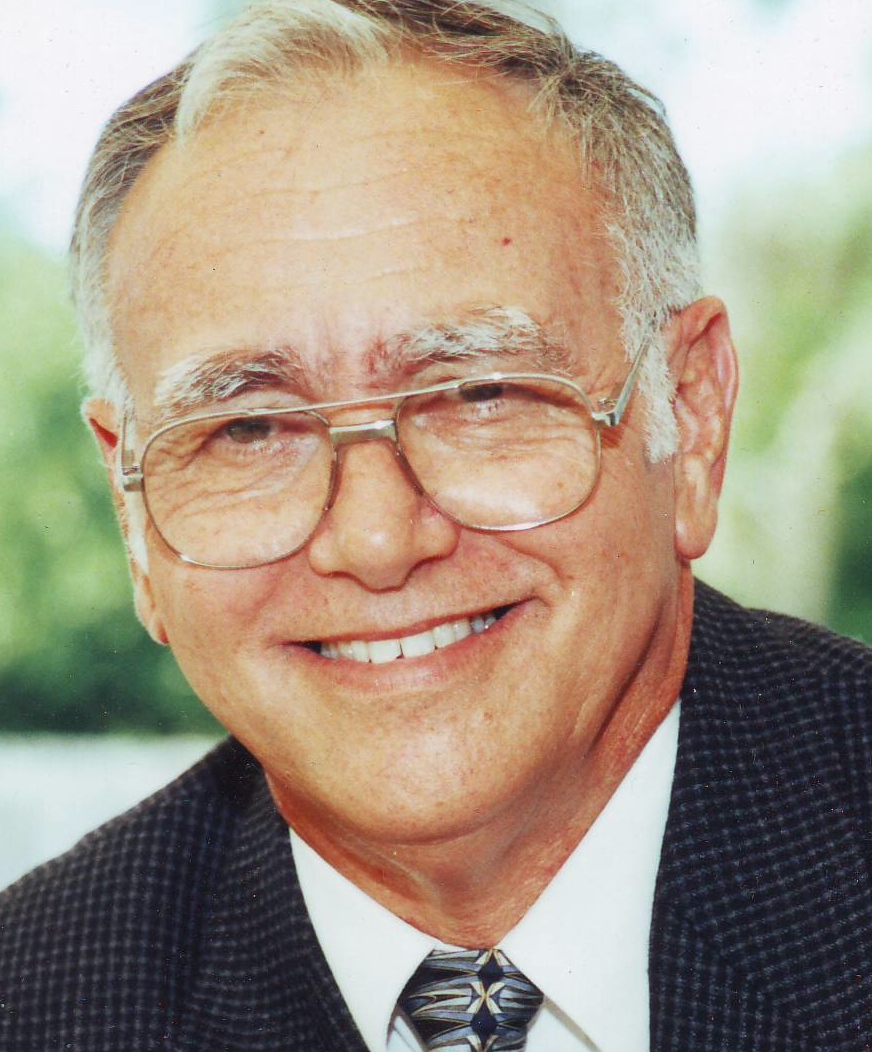
About SharingwithWriters Blog


Named to "Writer's Digest 101 Best Websites," this #SharingwithWriters blog is a way to connect with my readers and fellow writers, a way to give the teaching genes that populate my DNA free rein. Please join the conversation using the very tiny "comment" link. For those interested in editing and grammar, go to http://thefrugaleditor.blogspot.com.
Showing posts with label #SharingwithWriters. Show all posts

Saturday, December 13, 2025

THREE FREE HOLIDAY MEMOIRS STORIES YOU WILL NEVER FORGET

Dear Sharing with Writers Visitors and Subscribers:

Today’s guest post comes to you from my #SharingwithWriters associate who offers several free services to authors through my review blog, https://TheNewBookReview.blogspot.com, with submission instructions in the round silver icons in the right column on the home page. Feel free to explore and get ready for 2026 by taking advantage of these contest winning memoirs (each a gem of inspiring true stories!) Any book in this series of anthologies makes a beautiful last-minute holiday gift, or a gift for the special people in your life any time of year. Since each book in this series is named for a different zodiac stone whose symbolic meaning forecasts the theme of the stories in that particular edition, once you know when the recipient was born, present them with that gem collection on their birthday. What a meaningful, thoughtful gift at less than the cost of a box of chocolates!

Today’s sample stories come to you as a gift from her.  Please pass the link around and they will become (again!) a free gift to your friends. 

Hugs and Happy Holidays to You All,

Carolyn 

PS: Watch here for an invitation on this blog to contribute to Lois’s next anthology--again absolutely free plus several great value-added benefits for each and every entrant.  ~ CHJ


THE LACE TABLECLOTH


Retold by Lois W. Stern

When a lace tablecloth, a pastor and an old woman come together at the very same moment in time, was it destiny or coincidence? Read this story to decide for yourself. 

https://tales2inspire.com/inspiring-story-lace-tablecloth/ 


THE HANUKKAH BUNNY

by Mort Laitner

Mort captures the laugh-out-loud story of the little bunny enthralled by his backyard Chanukah lights so perfectly.

https://tales2inspire.com/hanukkah-bunny/ 


THE GIRL WHO LOVED CHRISTMAS

by Micki Peluso

A little girl, born two weeks before Christmas, leaves this Earth much too soon, but leaves family and friends with joyous memories to smile anew as each December rolls around.

https://tales2inspire.com/girl-loved-christmas/ 


MORE ABOUT TODAY’S GUESTBLOGGER AND GIFT-GIVER:

Lois W. Stern, the Book Review Coordinator for TNBR blog spot, is the creator of Tales2Inspire, an authors helping authors Free project to help aspiring writers on their paths to discovery. As such, she has now published twelve Tales2Inspire® treasured anthologies of her contest winners' stories. Lois is a multi award winning author whose work has been featured in the New York Times, Newsday, Long Island Press, Barnard Magazine, on Local Access TV and in live presentations in varied venues. As TheNewBookReview review coordinator, Lois serves as an outreach to help other authors brand themselves as authors of talent. 

Get a FREE Tales2Inspire Sampler book at: www.tales2inspire.com/gifts

                                    Visit her Tales2Inspire blog athttps://www.tales2inspire.com/blog

                                         Visit her Facebook page at: www.facebook.com/tales2inspire


MORE ABOUT THE  #SHARINGWITHWRITERS BLOGGER 

 Carolyn Howard-Johnson is the multi award-winning author of fiction, creative nonfiction, and poetry. She is also a marketing consultant, editor, and author of the multi award-winning #HowToDoItFrugally Series (https://www.amazon.com/dp/B0BTXQL27T/ ) of books for writers including "The Frugal Book Promoter" (https://bit.ly/FrugalBookPromoIII), and "The Frugal Editor" both offered in their third editions by Modern History Press. Others in that series are "How to Get Great Book Reviews Frugally and Ethically," and two booklets, both in their second editions also from Modern History Press. The booklets, "Great Little Last Minute Editing Tips for Writers" (https://bit.ly/LastMinuteEditsII) and "Great First Impression Book Proposals" (https://bit.ly/BookProposalsII) are career boosters in mini doses and both make ideal thank you gifts for authors. The one on writing book proposals is also available as an Audio Book. "The Frugal Editor "(https://tinyurl.com/TheFrugalEditor), was recently released in its third edition. It is the winningest book in this series for writers. 

 Carolyn also has three frugal books for retailers including one she encourages authors to read because it helps them understand what is needed to convince retailers to host their workshops, presentations, and signings. It is "A Retailer’s Guide to Frugal In-Store Promotions: How To Increase Profits and Spit in the Eyes of Economic Downturns with Thrifty Events and Sales Techniques" (https://bit.ly/RetailersGuide). In addition to this blog, Carolyn helps writers extend the exposure of their favorite reviews at https://TheNewBookReview.blogspot.com. She also blogs all things editing--grammar, formatting and more--at "The Frugal, Smart, and Tuned-In Editor" (https://TheFrugalEditor.blogspot.com). Learn more and follow it to get news on her new releases directly from Amazon at https://bit.ly/CarolynsAmznProfile.

Tuesday, April 22, 2025

Your Setting: Make It Come Alive


 Contributed by Karen Cioffi, Children's Writer

Setting informs the reader of the time and place of your story.

It can include the period, the physical location, the climate, and the social surroundings.

But it can do a lot more.

An example of this is the middle-grade book "Walking Through Walls." It’s set in 16th-century China, and speech, descriptions of behaviors, clothes, trades, food, and more all add to the authenticity of the time period.

This allows the reader to get a feel for the environment the protagonist lives in and helps immerse the reader in the time period.

Your setting descriptions can be powerful.

1. It takes a village to raise a child.

Okay, the #1 tip heading is a stretch.

What that means is it takes all the senses when describing setting. Don’t limit it to just one.

It seems that most authors stick to the scenery—what can be seen. While this is an important sense, the reader will become more involved if there’s more to ‘feel.’

To make your setting come alive, your fictional landscape, use as many senses as you can. You should include smell, touch, sound, and even taste if the story allows.

In "Walking Through Walls," the protagonist Wang is walking home:

Wang ambled back to the cottage. He noticed his favorite flower, the lemon lilies, in full bloom. They draped the landscape. Hmm, they smell so good.

While that passage doesn’t go into detail, it brings the smell of the lemon lilies into the reader’s mind, bringing another sense into the picture.

Here’s another scene from "Walking Through Walls":

Tired and hungry, Wang trudged through fog thick as porridge.

This gives the reader a bit more insight into Wang’s journey. Again, while it’s not explained in detail, the fog might have felt damp on his skin. Maybe it left beads of water on him. The reader has something more to picture and imagine than just a fog.

The senses can also help to bring backstory into the story. Through taste, smell, and even texture, the character can remember people or times from their past, enlightening the reader about important elements of the character’s history.

2. Use your character’s emotions to describe settings.

If your character is in a good mood or reflective, he will sense the world around him much differently than if he’s in a bad mood or angry.

Going back to Wang and the lemon lilies, if he’s happy, he might bend down and pick up one of the flowers, bring it up to his face, and take in the sweet odor.

If Wang is angry, he might trample over the lemon lilies, grumbling under his breath.

How the character reacts to or describes his surroundings will add an element of emotion.

3. Treat your setting like part of your story.

Your setting can create a deeper experience for the reader. Using rich details will help the reader dive further into the story, feeling like she’s there.

It helps the reader understand what the character is feeling and what he’s facing.

Here’s a passage from "Walking Through Walls":

Slowly, his gaze traveled up and up and up until he could see no further. The mountain loomed above him like a never-ending wall. Its thick, giant trees left little space between them for a trail.

This gives the reader a pretty good picture of what Wang was facing, bringing the reader into the story.

4. Add just enough setting description.

Okay, you’re a writer, and writing every little detail about a setting may come easy. You might want to capture it from multiple views or describe every color.

Well, if you add too many details that aren’t important to the story, the reader may get bored and skim over that section.

This may lead the reader to wonder what other sections she’ll have to skim over.

While you want to keep the setting descriptions within limits, the description or detail you include should do more than show where the characters are, if at all possible. Think emotional state, symbolizing, evoking a memory, etc.

Going back to Wang, looking up at the formidable mountain foreshadowed the difficult journey he had begun.

Like the rest of the story, the setting description should move the story forward.
 
The setting and its descriptions help create a connection between the reader, the character, and the story.

But…

If you’re writing a children’s picture book, you can ignore the above.

The illustrations in a picture book fill in all the setting descriptions. They show the emotions, surroundings, and characters… they show what the story text doesn’t say.

It’s a whole different writing experience.

ABOUT THE AUTHOR


  Karen Cioffi is an award-winning children’s author, working ghostwriter, rewriter, and coach (picture, chapter, and middle-grade books). If you need help with your story, visit Writing for Children with Karen Cioffi.

You can check out Karen’s books HERE.

You can connect with Karen at:
LinkedIn: https://www.linkedin.com/in/karencioffiventrice
Facebook: https://www.facebook.com/kcioffiventrice/
Instagram: https://www.instagram.com/karencioffikidlitghostwriter/

-----

MORE ABOUT THE BLOGGER Carolyn Howard-Johnson is the multi award-winning author of fiction, creative nonfiction, and poetry. She is also a marketing consultant, editor, and author of the multi award-winning #HowToDoItFrugally Series (https://www.amazon.com/dp/B0BTXQL27T/ ) of books for writers including "The Frugal Book Promoter" (https://bit.ly/FrugalBookPromoIII), and "The Frugal Editor" both offered in their third editions by Modern History Press. Others in that series are "How to Get Great Book Reviews Frugally and Ethically," and two booklets, both in their second editions also from Modern History Press. The booklets, "Great Little Last Minute Editing Tips for Writers" (https://bit.ly/LastMinuteEditsII) and "Great First Impression Book Proposals" (https://bit.ly/BookProposalsII) are career boosters in mini doses and both make ideal thank you gifts for authors. The one on writing book proposals is also available as an Audio Book. "The Frugal Editor "(https://tinyurl.com/TheFrugalEditor), was recently released in its third edition. It is the winningest book in this series for writers. Carolyn also has three frugal books for retailers including one she encourages authors to read because it helps them understand what is needed to convince retailers to host their workshops, presentations, and signings. It is "A Retailer’s Guide to Frugal In-Store Promotions: How To Increase Profits and Spit in the Eyes of Economic Downturns with Thrifty Events and Sales Techniques" (https://bit.ly/RetailersGuide). In addition to this blog, Carolyn helps writers extend the exposure of their favorite reviews at https://TheNewBookReview.blogspot.com. She also blogs all things editing--grammar, formatting and more--at "The Frugal, Smart, and Tuned-In Editor" (https://TheFrugalEditor.blogspot.com). Learn more and follow it to get news on her new releases directly from Amazon at https://bit.ly/CarolynsAmznProfile.

Thursday, November 21, 2024

Your Story Should Be Up, Down, and All Around


 Contributed by Children's Author Karen Cioffi

I’ve noticed that people who want to write a story but are new to the arena don’t understand what’s involved in writing a good story.

And I’ve seen lots of drafts that are cute, but they have no story arc or character arc. They’re simply a series of related events or incidents.

Along with these story ideas that don’t have a story arc, a lot of new authors don’t want to make their  protagonist real.

A story and its characters should be like a roller coaster, not a carousel.

First, let’s touch on what makes a publishing worthy story.

The very first thing is that your protagonist needs a big problem. It needs to be something that he struggles to overcome.

Here are a couple of examples of a problem that needs to be overcome:
•    Maybe Rafael is being bullied at school.
•    Maybe Sophia just got a new bike and was told not to leave it alone. She left it unattended at the park and it was stolen.
•    Maybe Lisa moved to a new neighborhood and had to start a new school. She’s anxious about all the changes.

After the problem has been established, the main character (MC) must try to figure out how to overcome it.

But as life isn’t smooth, the MC can’t overcome the problem in one attempt.

The protagonist needs to struggle to reach the goal. He needs to try a couple of things, fail, and become deflated before he finally comes up with a plan that leads to success.

Along with the MC succeeding, there must be some growth.
•    Maybe he learns he’s not the person he thought he was, like the protagonist, Wang, in my chapter book “Walking Through Walls.”
•    Maybe she learns compassion.
•    Maybe she learns how to make friends.

The story arc and character arc both have a beginning, middle, and end.

When thinking of a story arc, think of a triangle.

1.    The exposition: The introduction is at the bottom of the left side. It introduces the MC and setting.
2.    The trigger: The problem appears (the inciting incident). It may be internal or external, but it needs to be addressed.
3.    The quest: The MC struggles to overcome the problem. The action is rising, and so is the conflict. On her quest to find a solution, the MC encounters obstacles that must be overcome.
4.    The climax: The MC makes a critical choice and engages in his final attempt. He’s chosen his path and it’s the beginning of his change. The action declines as everything unfolds.
5.    The resolution: The MC has reached the end of the road. It's now the reward or consequence time. But whichever it is, the MC needs to have grown in some way as a result of the journey. When writing for young children, the journey needs to end with success.

For #4, the climax, think of a kid about to steal for the first time. Will his conscience kick in and stop him, or will he go through with it?

So, you can see that a series of related incidents does not lend itself to a a full story arc.

ABOUT THE AUTHOR

Karen Cioffi is an award-winning children’s author, ghostwriter, rewriter, and coach with clients worldwide. If you need help with your children’s story, please visit Karen Cioffi Writing for Children.
 

Karen also offers:

 HOW TO WRITE A CHILDREN’S FICTION BOOK
A 250+ book that will help you start or finish your children’s book.

WRITERS ON THE MOVE SELF-PUBLISHING SERVICE
Help for children's authors.

-----

A feature in the right column of this blog lets you subscribe to #SharingwithWriters so you don’t miss any of Karen’s posts on writing for children.  

-----

MORE ABOUT THE BLOGGER Carolyn Howard-Johnson is the multi award-winning author of fiction, creative nonfiction, and poetry. She is also a marketing consultant, editor, and author of the multi award-winning #HowToDoItFrugally Series (https://www.amazon.com/dp/B0BTXQL27T/ ) of books for writers including "The Frugal Book Promoter" (https://bit.ly/FrugalBookPromoIII), and "The Frugal Editor" both offered in their third editions by Modern History Press. Others in that series are "How to Get Great Book Reviews Frugally and Ethically," and two booklets, both in their second editions also from Modern History Press. The booklets, "Great Little Last Minute Editing Tips for Writers" (https://bit.ly/LastMinuteEditsII) and "Great First Impression Book Proposals" (https://bit.ly/BookProposalsII) are career boosters in mini doses and both make ideal thank you gifts for authors. The one on writing book proposals is also available as an Audio Book. "The Frugal Editor "(https://tinyurl.com/TheFrugalEditor), was recently released in its third edition. It is the winningest book in this series for writers. Carolyn also has three frugal books for retailers including one she encourages authors to read because it helps them understand what is needed to convince retailers to host their workshops, presentations, and signings. It is "A Retailer’s Guide to Frugal In-Store Promotions: How To Increase Profits and Spit in the Eyes of Economic Downturns with Thrifty Events and Sales Techniques" (https://bit.ly/RetailersGuide). In addition to this blog, Carolyn helps writers extend the exposure of their favorite reviews at https://TheNewBookReview.blogspot.com. She also blogs all things editing--grammar, formatting and more--at "The Frugal, Smart, and Tuned-In Editor" (https://TheFrugalEditor.blogspot.com). Learn more and follow it to get news on her new releases directly from Amazon at https://bit.ly/CarolynsAmznProfile.

Wednesday, August 21, 2024

A Children’s Manuscript and a Ghostwriter


Contributed by Karen Cioffi, Children's Writer

To come up with a fiction story idea is a pretty cool thing. Getting notes down or a basic outline takes it to the next level.

At this point, some authors realize they need professional help to bring their ideas, notes, or outlines to life. It’s time to hand it over.

In this scenario, the ghostwriter has free range.

This is true because the client, the author, can envision the type of story they’d like, but they don’t have any investment in how to get it there.
While there’s an idea or a basic outline, the story needs to be told. The writer can weave her magic and create it with the authors’ feedback as they go along.

But what happens when there’s a complete manuscript?

What happens when the author has taken the time and effort to come up with an idea and has actually written the story? Whether it’s taken him a few months or a couple of years, it’s his baby. He’s brought it to life.

In this scenario, the author is fully invested in the story.

The problem is the author may not know how to write. Even more importantly, she may not know anything about writing for children. It really is a different type of writing – lots more rules.

Thinking of a few of quick examples:

– The author may own a kennel of dogs and wants to show each dog’s personality. Max is playful to the point of being hyper. Daisy loves being held and likes to cuddle. And watch out for Dutch.

– The author is a professional and is determined, maybe even obsessed, with driving home what’s good for the child. Each scene tells the child what to do.

– The author has gone on an amazing journey or has a passion and wants to share it with children. He wants it to be fiction, but it reads more like a nonfiction story.

While writing a book based on these examples will satisfy the author, it won’t meet standard children’s book guidelines.

That’s not to say these ideas aren’t good; each scenario can be kindling for an out-of-the-ballpark story … if it’s written right.

Hoping the author/client can let go.

In some cases, rewriting a story can be more difficult than ghostwriting from an idea or basic outline.

Some clients have blinders on. They want what they want, whether it’s reader-friendly or not. They just can’t let go of what they’ve written.

When this happens:

The writer often becomes a writing teacher.

The writer tries to explain why something in the story doesn’t work. Or, it may be even worse, and the entire story is a problem.

She tries to explain the rules for children’s writing that all books for children should adhere to.

She hopes the client is reasonable and understands. She hopes the client allows her to do her job.

The writer becomes a negotiator of sorts.

It can become a back-and-forth. The writer resorts to the, “Well, what if we do it this way?”

Unfortunately, the client has blinders on and wants what she wants. So, it’s back to, “Well, what if we do it this way instead?”

The writer just jumps in.

Knowing the story needs to be improved, the writer may rewrite it into a publishable book.

This can be a gamble, though.

It can waste the writer’s time and effort if the client doesn’t like it.

Then, the writer has to go back to being a teacher and negotiator.

When the writer’s hands are tied.

It can become an ethical dilemma for the writer when the client doesn’t want to budge.

– Does the writer write the story the way the client wants it to be, even though she knows it’s not professional?

While the writer is being paid to write for the client, this isn’t always the best route to take. Although the writer’s name won’t be associated with the book, it’s a story being worked on and should be as professional as possible.

However, there are some instances when the client wants the book for personal or family use. In these cases, it’s the writer’s decision. I will take on the project.

– Does the writer walk away from the project after it’s started?

Whether to bow out of a project is obviously a very individual decision that a professional writer doesn’t take lightly.

While I haven’t accepted projects because I knew they wouldn’t be publishable worthy, I’ve never had to walk away from an ongoing project.

I’ll teach and negotiate until the story is how it should be. It takes more time and effort, but that’s okay.

Every situation is unique, and the ghostwriter will need to decide what’s best.

ABOUT THE AUTHOR


Karen Cioffi is an award-winning children’s author, ghostwriter, rewriter, editor, and coach with clients worldwide. If you need help with your children’s story, please visit Karen Cioffi Writing for Children.
 https://karencioffiwritingforchildren.com

Karen also offers HOW TO WRITE A CHILDREN’S FICTION BOOK.
A 250+ book that will help you start or finish your children’s book

WRITERS ON THE MOVE SELF-PUBLISHING HELP
For those children’s authors who are self-publishing.

-----

A feature in the right column of this blog lets you subscribe to #SharingwithWriters so you don’t miss any of Karen’s posts on writing for children.  

-----

MORE ABOUT THE BLOGGER Carolyn Howard-Johnson is the multi award-winning author of fiction, creative nonfiction, and poetry. She is also a marketing consultant, editor, and author of the multi award-winning #HowToDoItFrugally Series (https://www.amazon.com/dp/B0BTXQL27T/ ) of books for writers including "The Frugal Book Promoter" (https://bit.ly/FrugalBookPromoIII), and "The Frugal Editor" both offered in their third editions by Modern History Press. Others in that series are "How to Get Great Book Reviews Frugally and Ethically," and two booklets, both in their second editions also from Modern History Press. The booklets, "Great Little Last Minute Editing Tips for Writers" (https://bit.ly/LastMinuteEditsII) and "Great First Impression Book Proposals" (https://bit.ly/BookProposalsII) are career boosters in mini doses and both make ideal thank you gifts for authors. The one on writing book proposals is also available as an Audio Book. "The Frugal Editor "(https://tinyurl.com/TheFrugalEditor), was recently released in its third edition. It is the winningest book in this series for writers. Carolyn also has three frugal books for retailers including one she encourages authors to read because it helps them understand what is needed to convince retailers to host their workshops, presentations, and signings. It is "A Retailer’s Guide to Frugal In-Store Promotions: How To Increase Profits and Spit in the Eyes of Economic Downturns with Thrifty Events and Sales Techniques" (https://bit.ly/RetailersGuide). In addition to this blog, Carolyn helps writers extend the exposure of their favorite reviews at https://TheNewBookReview.blogspot.com. She also blogs all things editing--grammar, formatting and more--at "The Frugal, Smart, and Tuned-In Editor" (https://TheFrugalEditor.blogspot.com). Learn more and follow it to get news on her new releases directly from Amazon at https://bit.ly/CarolynsAmznProfile.

Wednesday, July 31, 2024

Great Branding Opportunity for Authors and Aspiring Authors with this NO FEE Contest


TALES2INSPIRE® 2024-2025 CONTEST

THEME FOR 2024 - 2025: REACHING OUT

True stories of happiness given, received or observed 

by Reaching Out


DEADLINE: JANUARY 31, 2024


Enter your story into the next Tales2Inspire contest. 

FREE TO ENTER - THIS IS AN AUTHORS HELPING AUTHORS PPROJECT.

See all details below.


Whether you are new to Tales2Inspire or have been with us before, a quick review of our Contest Guidelines will help you succeed.

* For guidelines on writing a winning story, CLICK HERE.

* To learn how to submit a story, CLICK HERE.

* To learn about winner rewards - What's In it For You - CLICK HERE.

To learn how stories are judged and how authors become part of that process, CLICK HERE.

* For post-judging editing support, CLICK HERE.


We encourage Tales2Inspire newcomers to first download our FREE Tales2Inspire sampler. Not only is it a treat to read these inspiring stories, but it will give you a great idea of the type stories we like to publish.

CLICK HERE


TESTIMONIALS

Estarlyn (Starling) Hiraldo

Working with Lois has been one of the most eye-opening and rewording eperiences of my life. I have learned to be grateful for human interaction and the importance of sharing stories with communities across the globe.

CLAUDIA headshot
Claudia Domb, Smithtown, NY
 
Anonymously critiquing the work of three of my peers sharpened my critical thinking skills. In turn, having my story judged by three other authors was helpful to me. Being open to change can make for positive results, helping to polish an already great story to near perfection. 

Rod_Cropped
Rod DiGruttolo - Sarasota, Fl.

Tales2Inspire is unique in that all those entering a ‘tale’ for consideration have the opportunity to grow as authors. While there are winners in the entries, there are no losers, for Lois provides every author with the opportunity to see our work through other authors’ eyes. By inspiring us toward writing mastery, she helps us inspire others
.


Lois W. Stern

 
Tales2inspire® was a kernel of an idea I initiated in 2012, growing in proportions even I didn’t dare to envision. My innate curiosity about potentially fascinating human interest stories was the spark that ignited this idea, but there was something more propelling me forward - my belief in the power of stories to shape our thinking. Famed biographer, Doris Kearns Goodwin has repeatedly written about this theme in relation to some of our greatest presidents, who recognized the power of stories and used their storytelling abilities to reach the people they were chosen to govern. Each of the non-fiction stories published in one of the Tales2inspire® books was selected similarly - not only for its artful writing, but for its skill in delivering an underlying message to inspire each of us to reach for the best within us. CLICK HERE to try us out with a Free sampler filled with six published T2I stories.


Visit Lois at these Media Marketing sites to learn more about her and her Tales2Inspire® Authors Helping Authors project/contest at: 

Website: https://www.tales2Inspire.com 

Facebook: www.facebook.com/tales2inspire

Twitter: www.twitter.com/tales2inspire2


Watch this Tales2Inspire trailer here.


Get a FREE Tales2Inspire Sampler book at: https://www.tales2inspire.com/gifts

Visit the Tales2Inspire blog for snapshot views of our winning stories: https://www.tales2inspire/blog

Friday, June 21, 2024

Writing Pitfalls in Children’s Writing


 Contributed by Karen Cioffi, Children's Writer

Is it a chapter book or a middle grade? And why does it matter that you pick the right genre:

Well, it’s the difference between an editor giving your story a second glance or not.

It’s so essential that publishers will ask what grade level your book is geared toward. You had better make sure the vocabulary of your story and the intended audience are a match.

What exactly do I mean? Let’s use an example:

The boy performed an amazing illusion. Was it an illusion or real magic?

If you were writing this for a 6th grader, the word illusion would be fine, but say you are writing for a 2nd or 3rd grader … then you’ll need to change that word.

According to "Children's Writer's Word Book," 'illusion' is in the vocabulary of 6th graders. To make it age appropriate for a 3rd grader, you would need to change it to a word such as trick or fake.

The use of words goes far beyond that of choosing age-appropriate words; they can be revised to say the same thing in a different way.

Words are amazing; just make sure yours are appropriate for the age group you’re writing for.

Taking this a little further, even if you're writing a young adult novel, choose words carefully.

I'm working with a client who has words in his draft that most teens and even many adult readers won't understand. You don't want a reader to have to stop and look up a word while reading. This is never a good thing.

Don’t use high-end words when writing for children, teens, and young adults. Use words that everyone will be able to quickly recognize and understand.

To emphasize this, here are some quotes on the topic by famous authors:

"Use familiar words—words that your readers will understand, and not words they will have to look up. No advice is more elementary, and no advice is more difficult to accept. When we feel an impulse to use a marvelously exotic word, let us lie down until the impulse goes away."

~James J. Kilpatrick

"The most valuable of all talents is that of never using two words when one will do."

~Thomas Jefferson

"A sentence should contain no unnecessary words, a paragraph no unnecessary sentences, for the same reason that a drawing should have no unnecessary lines and a machine no unnecessary parts."

~William Strunk and E.B. White

"Use the smallest word that does the job."

~E.B. White

"Think like a wise man but communicate in the language of the people." ~William Butler Yeats

"The finest words in the world are only vain sounds if you can’t understand them. ~Anatole France

“The difference between the almost right word and the right word is … the difference between the lightning bug and the lightning.”

~Mark Twain

The finest language is mostly made up of simple, unimposing words." ~George Eliot

"Whenever we can make 25 words do the work of 50, we halve the area in which looseness and disorganisation can flourish."

~Wilson Follett

"Don't use words too big for the subject. Don't say 'infinitely' when you mean 'very'; otherwise, you'll have no word left when you want to talk about something really infinite."

~C. S. Lewis

 ABOUT THE AUTHOR


Karen Cioffi is an award-winning children’s author, ghostwriter, rewriter, and coach. If you need help with your story, visit Writing for Children with Karen Cioffi.

Karen also offers authors:

HOW TO WRITE A CHILDREN'S FICTION BOOK
A DIY book to help you write your own children’s book.

WRITERS ON THE MOVE PRESS
Self-publishing help for children’s authors.

-----

A feature in the right column of this blog lets you subscribe to #SharingwithWriters so you don’t miss any of Karen’s posts on writing for children.  

-----

MORE ABOUT THE BLOGGER Carolyn Howard-Johnson is the multi award-winning author of fiction, creative nonfiction, and poetry. She is also a marketing consultant, editor, and author of the multi award-winning #HowToDoItFrugally Series (https://www.amazon.com/dp/B0BTXQL27T/ ) of books for writers including "The Frugal Book Promoter" (https://bit.ly/FrugalBookPromoIII), and "The Frugal Editor" both offered in their third editions by Modern History Press. Others in that series are "How to Get Great Book Reviews Frugally and Ethically," and two booklets, both in their second editions also from Modern History Press. The booklets, "Great Little Last Minute Editing Tips for Writers" (https://bit.ly/LastMinuteEditsII) and "Great First Impression Book Proposals" (https://bit.ly/BookProposalsII) are career boosters in mini doses and both make ideal thank you gifts for authors. The one on writing book proposals is also available as an Audio Book. "The Frugal Editor "(https://tinyurl.com/TheFrugalEditor), was recently released in its third edition. It is the winningest book in this series for writers. Carolyn also has three frugal books for retailers including one she encourages authors to read because it helps them understand what is needed to convince retailers to host their workshops, presentations, and signings. It is "A Retailer’s Guide to Frugal In-Store Promotions: How To Increase Profits and Spit in the Eyes of Economic Downturns with Thrifty Events and Sales Techniques" (https://bit.ly/RetailersGuide). In addition to this blog, Carolyn helps writers extend the exposure of their favorite reviews at https://TheNewBookReview.blogspot.com. She also blogs all things editing--grammar, formatting and more--at "The Frugal, Smart, and Tuned-In Editor" (https://TheFrugalEditor.blogspot.com). Learn more and follow it to get news on her new releases directly from Amazon at https://bit.ly/CarolynsAmznProfile.